Building Confidence
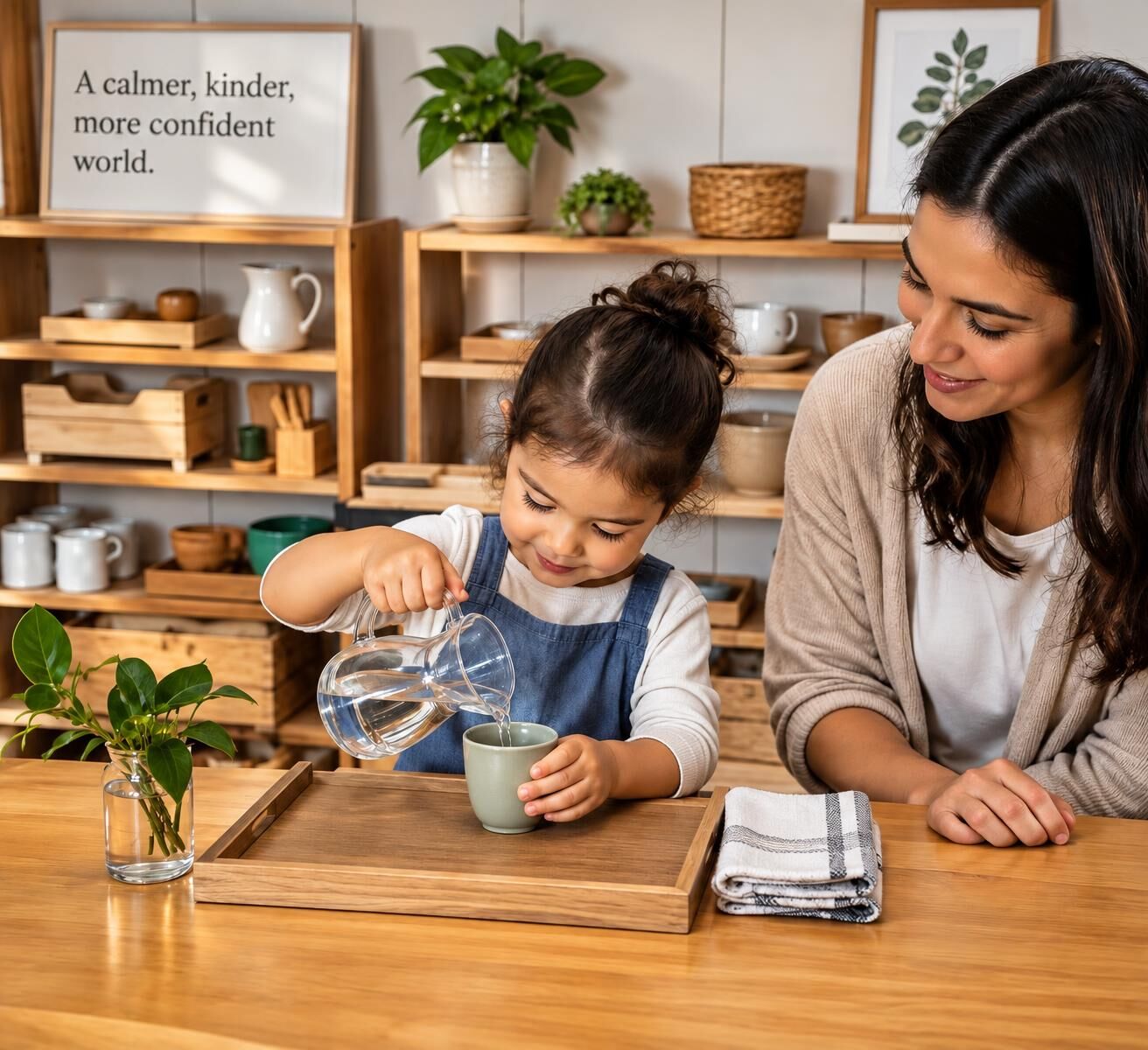
This setup means younger children can observe and learn from older ones, while older children gain confidence and responsibility through caring for and supporting the younger ones.
A lovely example of this is when older children are expecting a sibling — they can spend time with the babies, learning how to care for them and make them laugh. This helps prepare them emotionally for welcoming a new baby at home.
Transitions
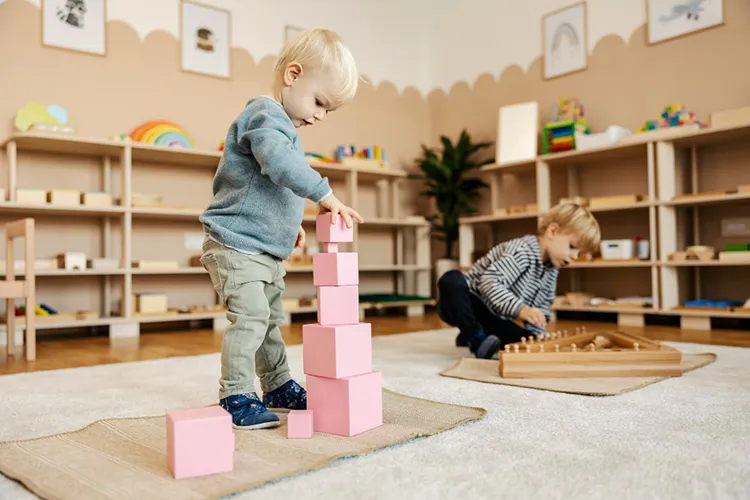
High-quality transitions recognise the importance of children feeling “known.”
A key part of a high-quality early years experience is ensuring continuity between home, key people, and the various settings that make up each child’s individual learning journey.
In today’s society, children often have many out-of-home experiences — through childcare, toddler groups, family day care, and multiple nurseries — and while they may appear to manage these changes easily, not all transitions are comfortable or happy for every child.
Starting Nursery
One of the biggest transitions is starting a new nursery. We recognise that this can bring anxiety, worry, and even guilt for both children and families.
From the very first day, families are actively involved in settling-in sessions, working closely with staff to ensure each child’s unique needs are met.
Just as every child is different, every family is too — so what works for one may not work for another.
We provide a minimum of three settling-in sessions for every child, but these can be extended or adapted as needed. We can even arrange home visits if necessary to support a smooth transition.
Attachment & The Role of the Key Person
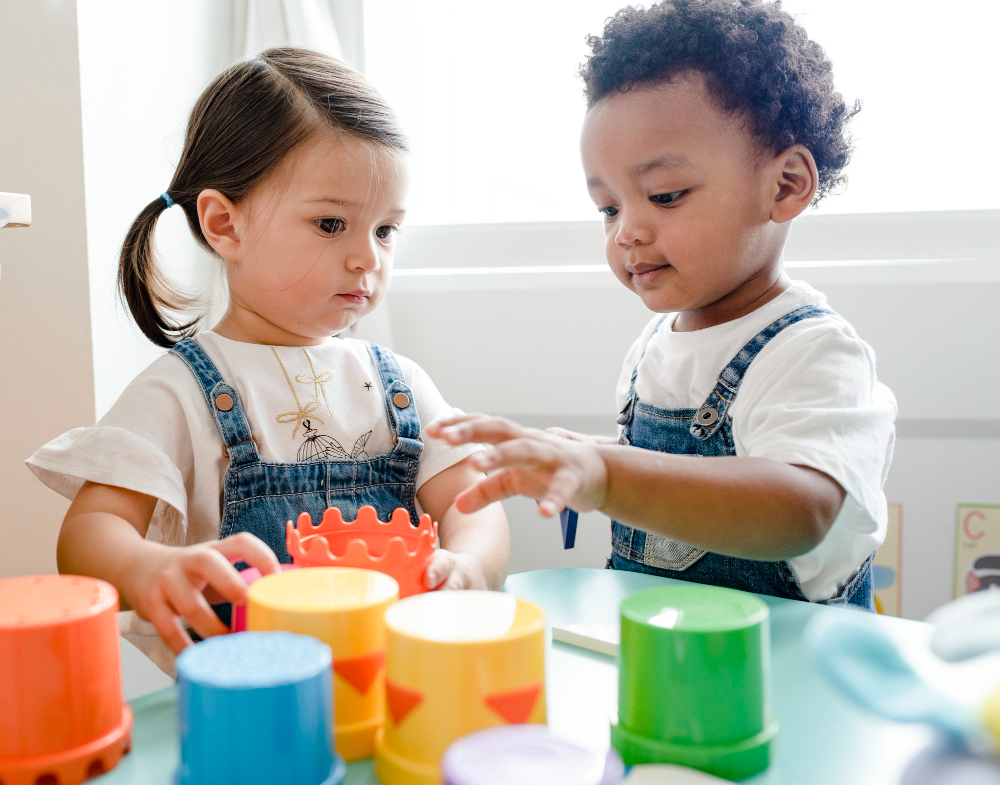
Babies and children form attachments with significant adults through reliable, respectful, warm, and loving relationships — the foundation they need in order to thrive.
When physical and emotional needs are met and feelings are accepted, children experience wellbeing and contentment.
Our Key Person approach, which mirrors the nurturing relationships found in families, ensures each child has someone who truly knows and understands them.
Early experiences of love and attachment have lifelong benefits.