
Practical Life
Montessori's Practical Life lessons are some of the most intriguing for people unfamiliar with the Method.
What are Practical Life lessons?
Practical Life lessons can include anything from learning how to carefully pour water to tying ribbons.
Materials you will find on a Practical Life shelf in a Montessori classroom are child-size real-life items, with the exception of the Montessori Dressing Frames, which are an adaptation.
The reasoning behind Practical Life being included as a separate area of learning in Montessori is that these lessons help children develop the skills they need to develop socially, emotionally, and academically and promote independence and respect for others and their environment.
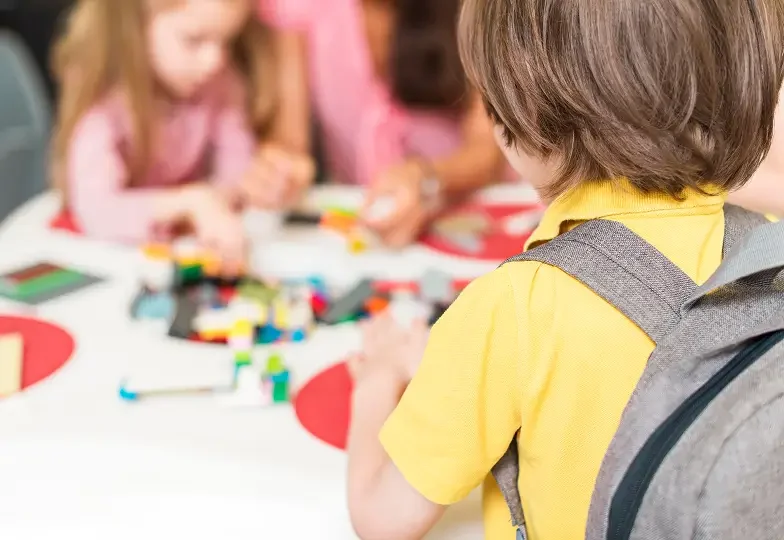
Skills encouraged through Practical Life work:
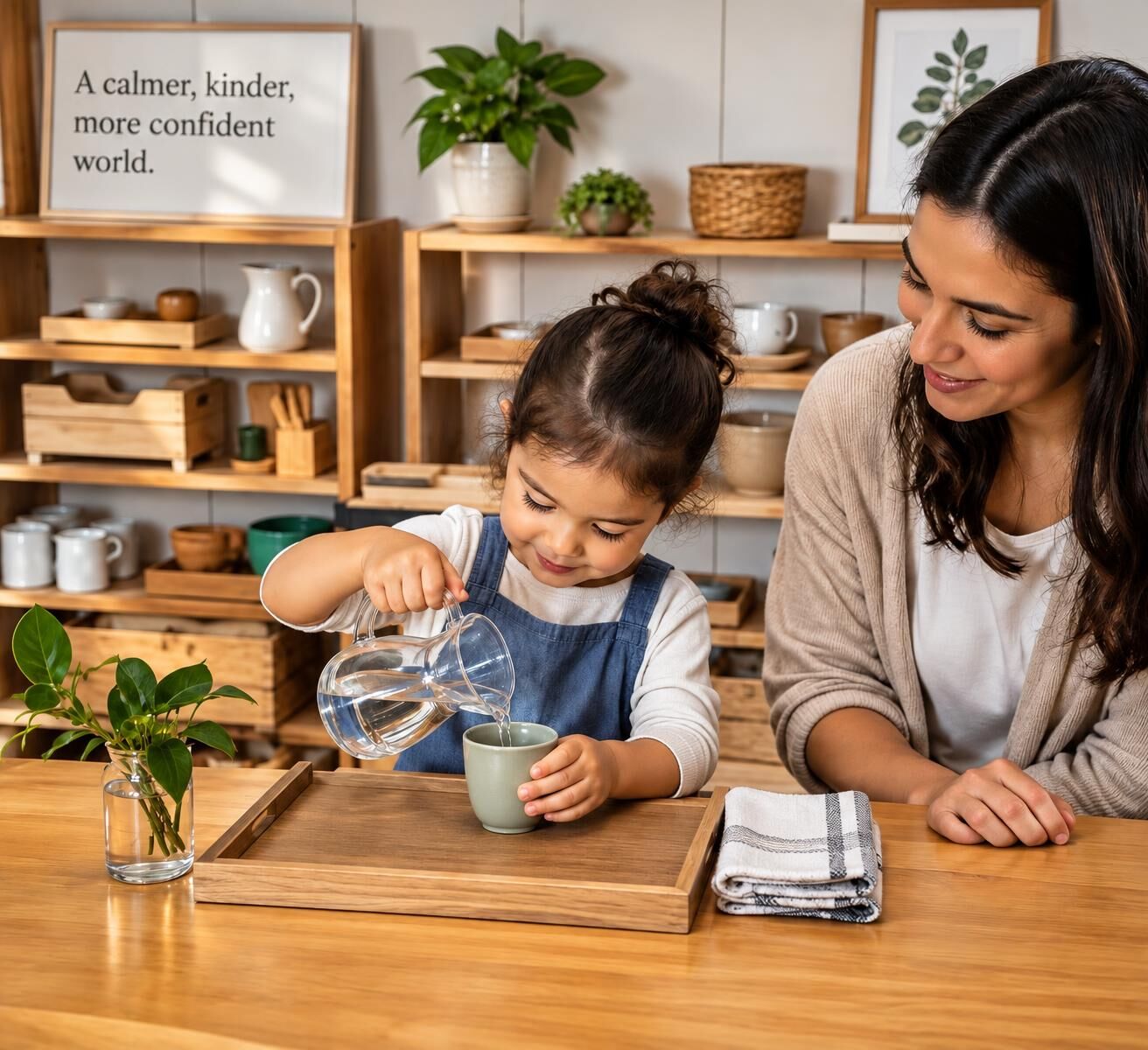
The Montessori Practical Life Activities are:
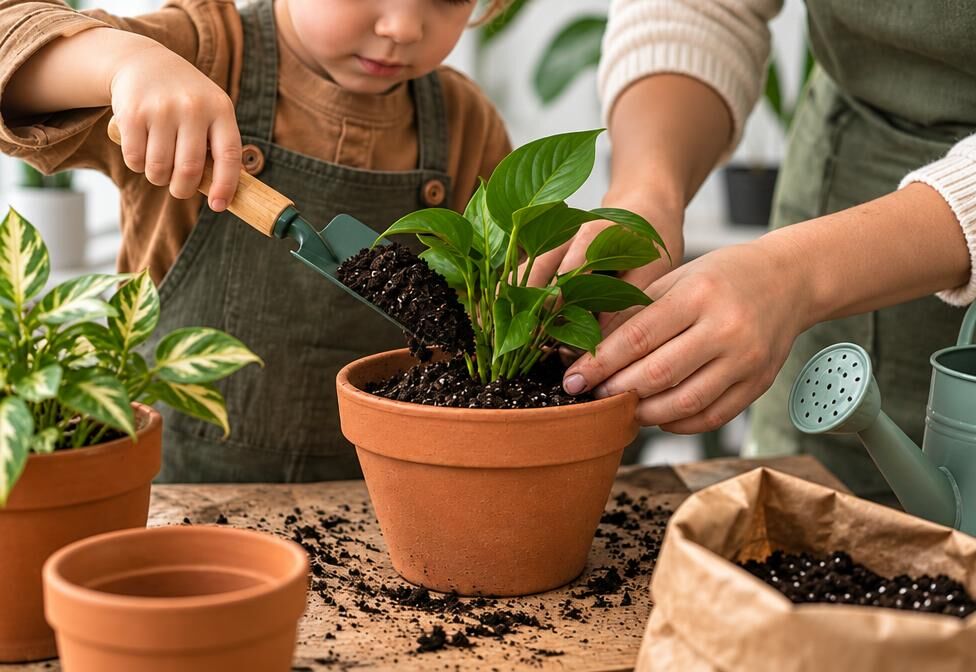
Practical Life is the heart of the Montessori classroom - where children learn to pour water, tie ribbons and care for their environment. Through these simple, real-life activities, they build independence, concentration and respect for themselves and others.
The 5 Key Areas of Montessori Curriculum
Practical Life
Everyday skills, independence and respect.
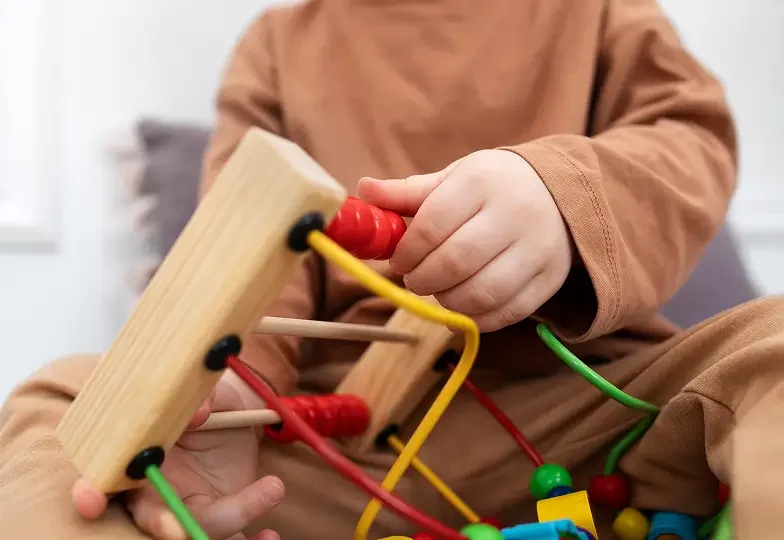
Sensorial
Refining the senses to understand the world.
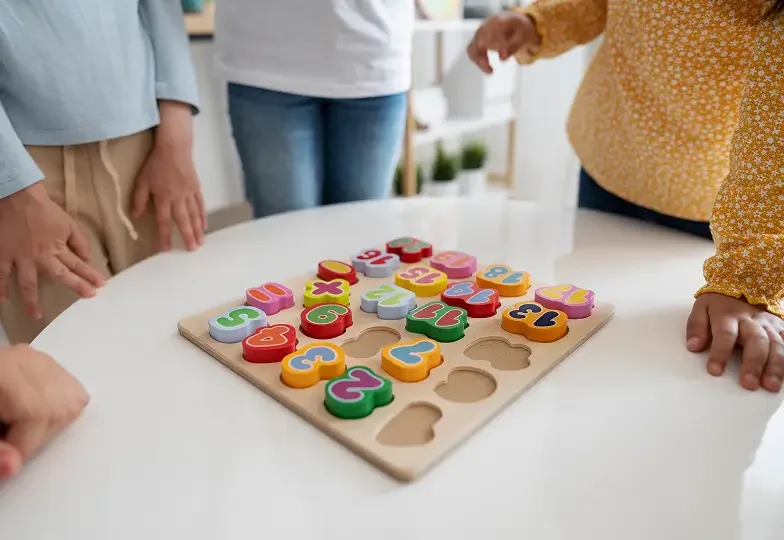
Maths
From concrete to abstract: building a love of numbers.
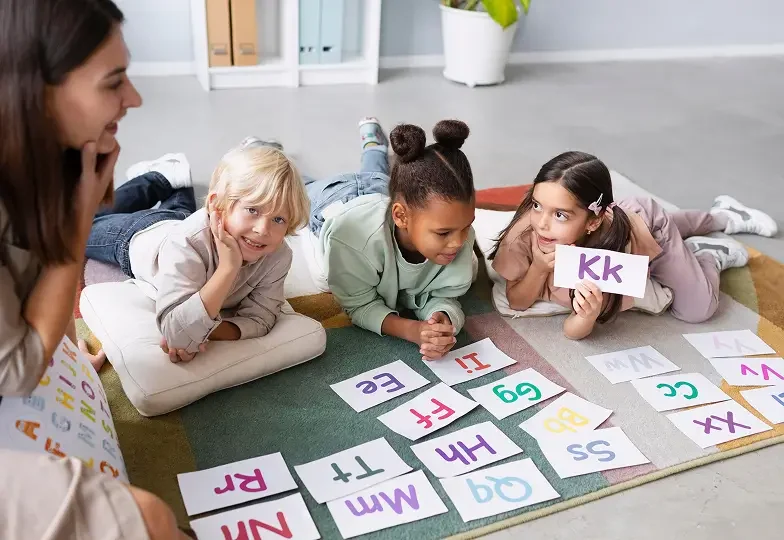
Language Arts
Hands-on exploration of letters, sounds and words.

Cultural
Discovering the world, its people, and its wonders.